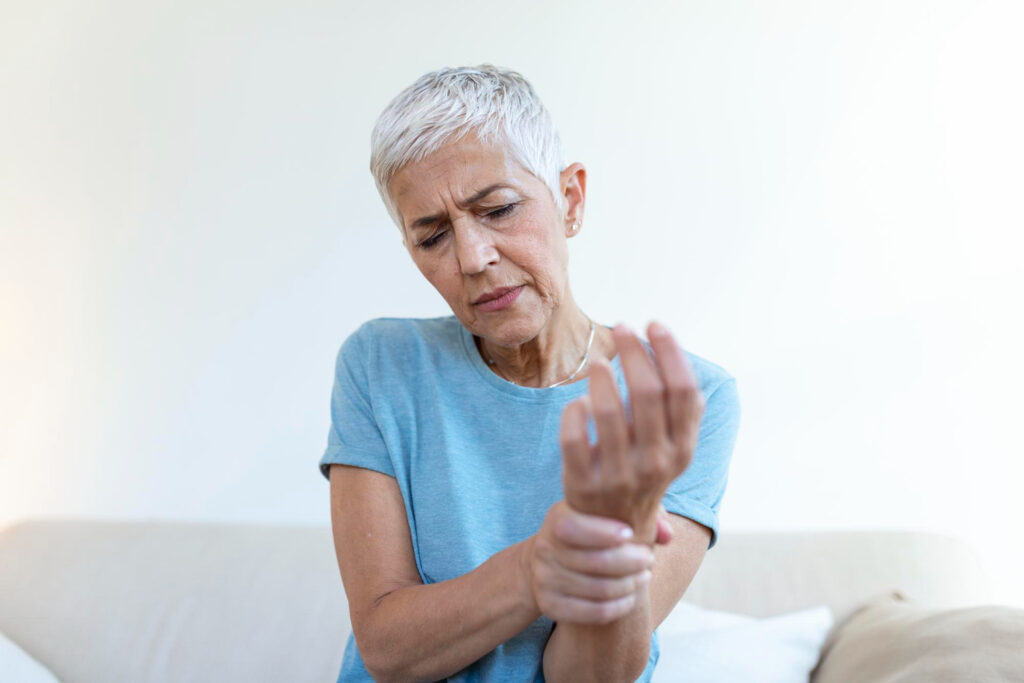
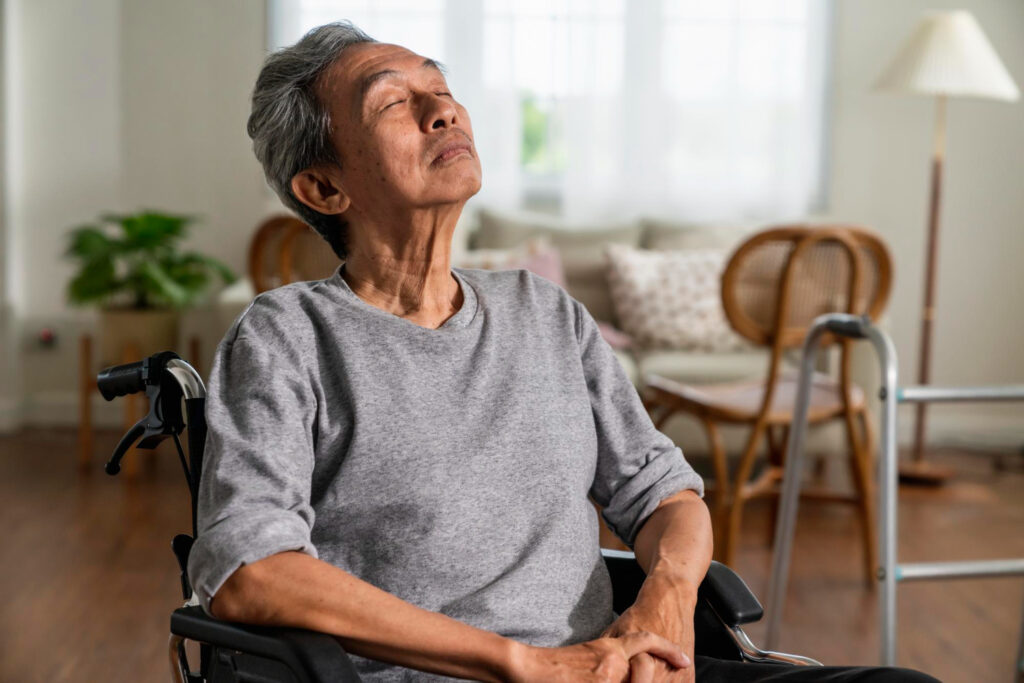
It’s natural to focus on the physical aspects of aging, illness, or recovery. We worry about doctor’s appointments, medication schedules, and physical limitations. But often, the emotional and lifestyle adjustments that accompany these changes are just as significant, and sometimes, even more challenging. Today, let’s talk about some of these less visible hurdles and how we can better support our loved ones..
The Loss of Purpose and Identity:
Think about what defines a person. For many, it’s their career, their hobbies, their role within the family, or their contributions to the community. When health issues or life transitions force a change in these areas, it can lead to a profound sense of loss. Imagine no longer being able to pursue a beloved hobby, retire from a fulfilling job, or even participate in family gatherings the way you used to. This can trigger feelings of sadness, frustration, and even a questioning of one’s worth.
What You Can Do:
Acknowledge their feelings: Don’t dismiss their sadness or frustration. Let them know you understand that these changes are difficult. “I know it must be hard not being able to [activity they enjoyed]. I’m here to listen if you want to talk about it.”
Help them find new purpose: Explore new activities or roles that align with their current abilities and interests. This could involve volunteering, joining a book club, learning a new skill online, or simply spending more time with loved ones.
Celebrate their past accomplishments: Remind them of their achievements and the positive impact they’ve had on others. Share stories and look at old photos to spark positive memories.
Focus on their strengths: Highlight their unique talents and abilities. Encourage them to use these strengths in new ways.
The Dependence on Prescription Medications:
While prescription medications are often necessary for managing health conditions, the reliance on them can sometimes lead to feelings of dependence, loss of control, and even anxiety. The constant reminders of illness, the potential side effects, and the feeling of being “reliant” on a pill can take a toll on their emotional wellbeing.
What You Can Do:
Openly discuss their concerns: Encourage them to talk about how they feel about their medications. Are they worried about side effects? Do they feel like the medication is controlling their life?
Collaborate with their doctor: If they have concerns about their medications, encourage them to discuss these concerns with their doctor. Explore alternative options or strategies for managing their condition.
Focus on healthy lifestyle choices: Encourage healthy eating, regular exercise (within their capabilities), and stress-reduction techniques. These can often complement medication and improve overall well-being.
Offer support and encouragement: Remind them that you are there to help them manage their medications and that you understand the challenges they face.
The Desire for Autonomy:
One of the most fundamental human desires is the ability to make our own choices and control our own lives. As our loved ones face health challenges or rely on others for assistance, they may experience a loss of autonomy, leading to feelings of frustration, resentment, and even anger.
What You Can Do:
Respect their choices: Even if you disagree with their decisions, respect their right to make them (as long as they are safe and informed).
Involve them in decision-making: Include them in discussions about their care and treatment. Ask for their input and consider their preferences.
Encourage independence: Support them in maintaining as much independence as possible. This might involve providing assistive devices, modifying their home environment, or simply offering encouragement.
Focus on what they can do: Instead of dwelling on their limitations, focus on their abilities and strengths. Help them find ways to maintain control over their lives, even in small ways.
Supporting our loved ones through challenging times requires more than just addressing their physical needs. By understanding the emotional and lifestyle factors that impact their well-being, we can provide the compassionate care and support they need to navigate these transitions with dignity and grace. Remember, listening, understanding, and offering encouragement can make a world of difference. We’re all in this together.